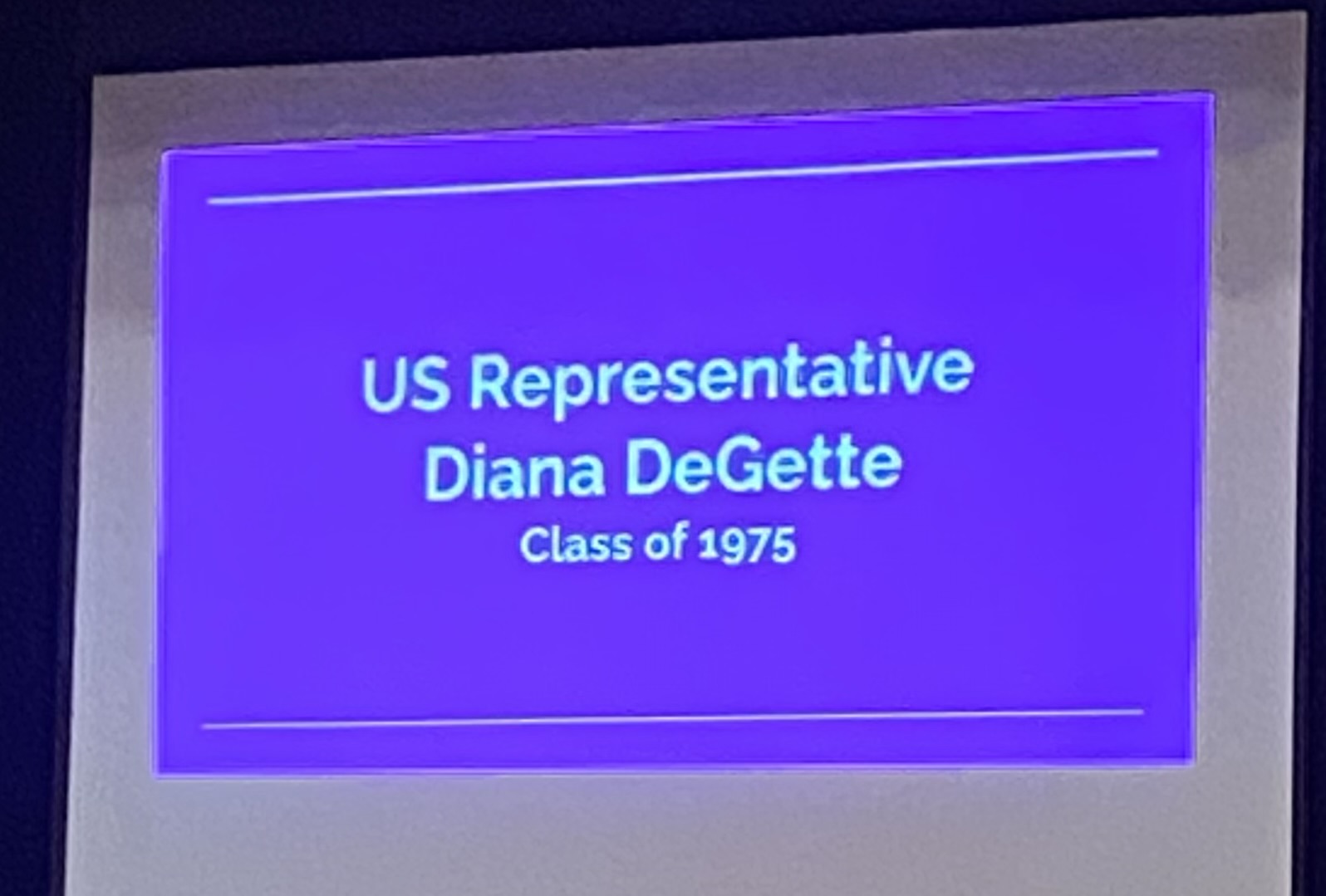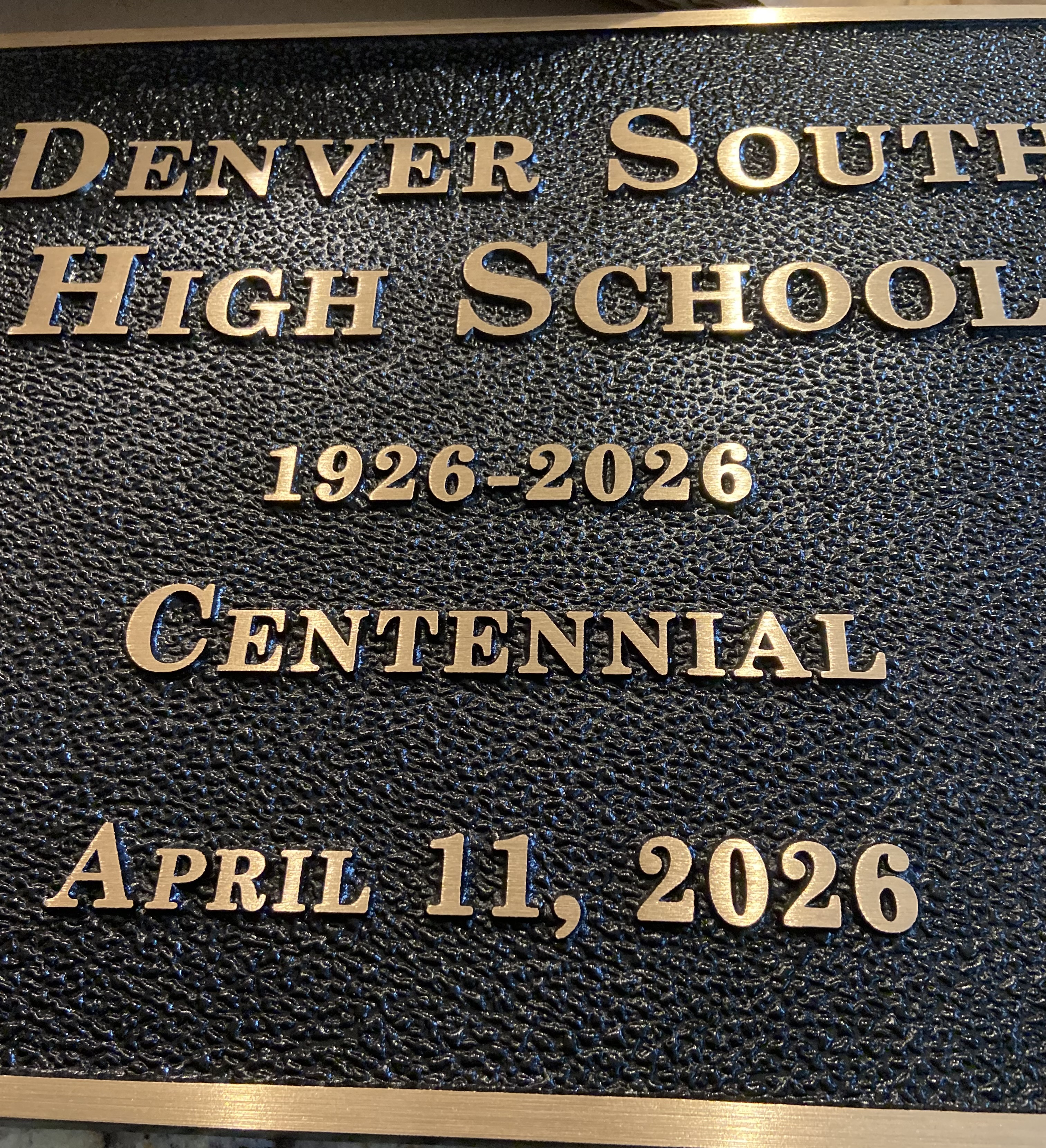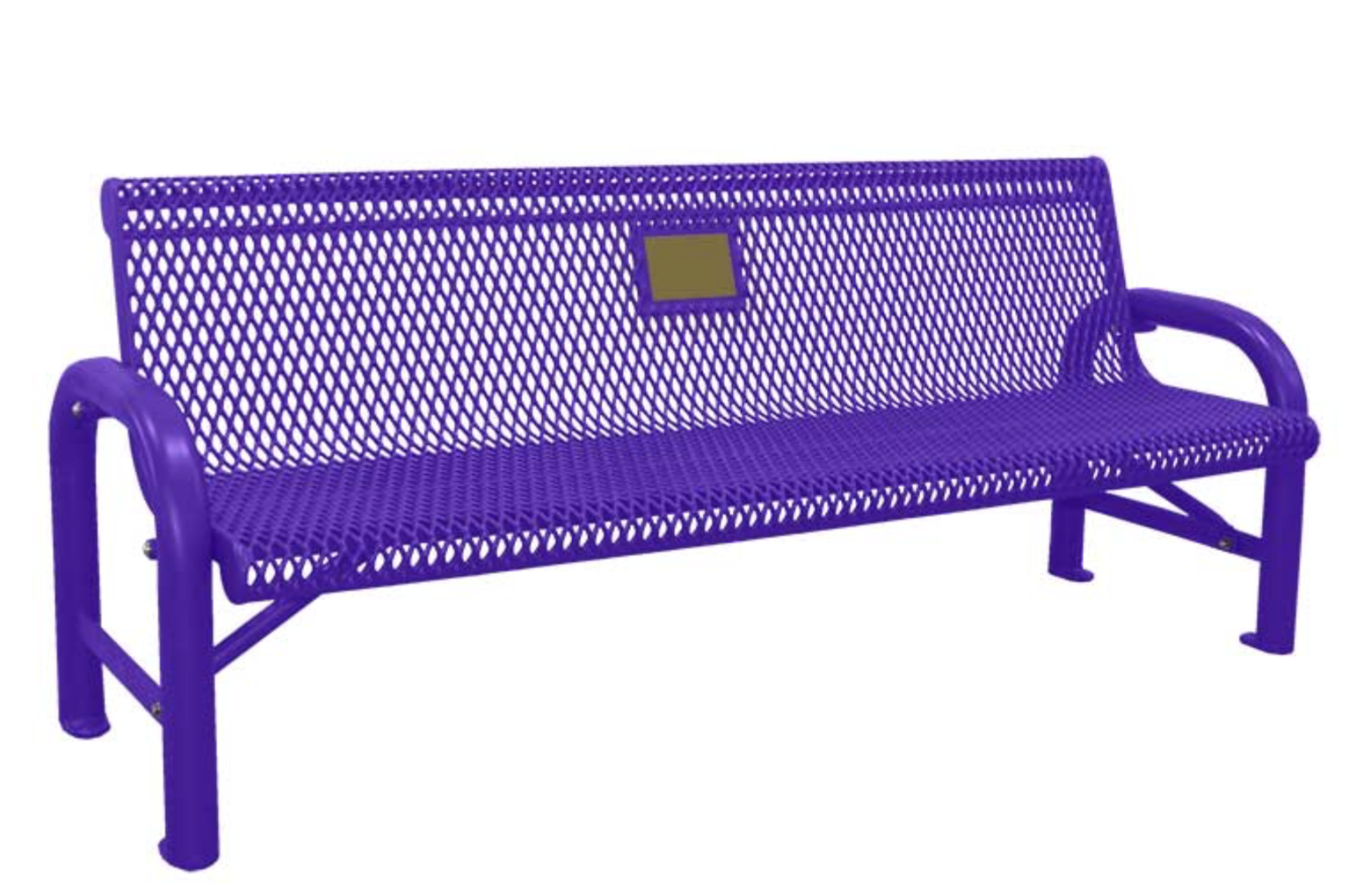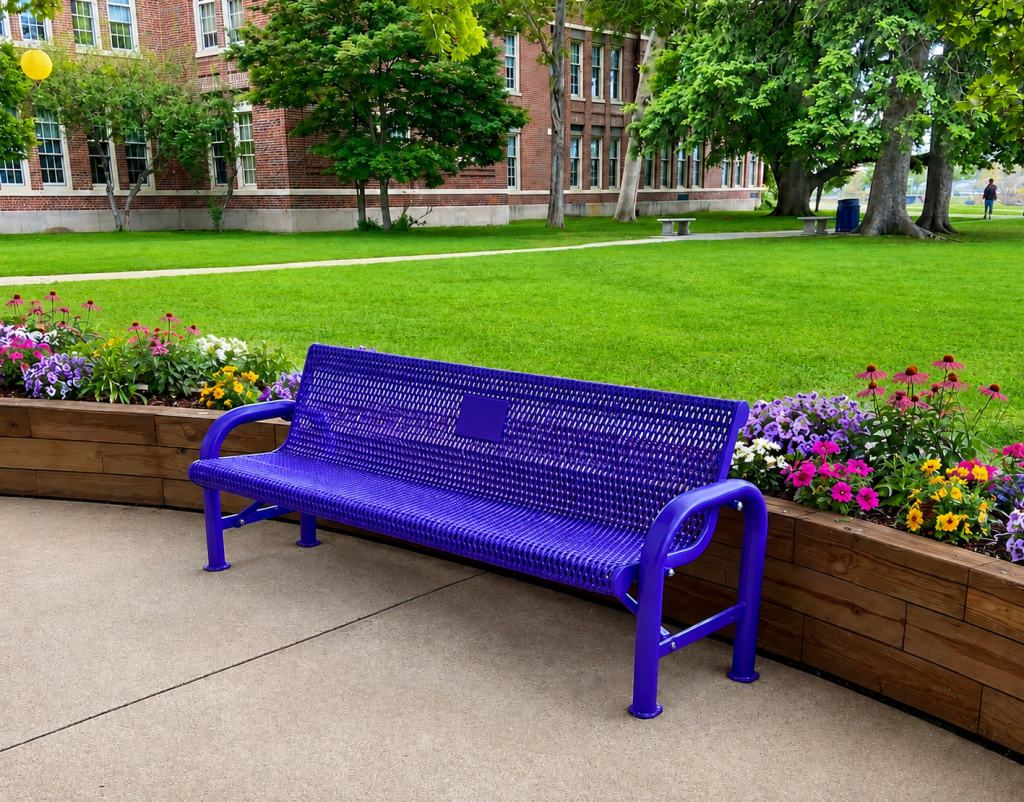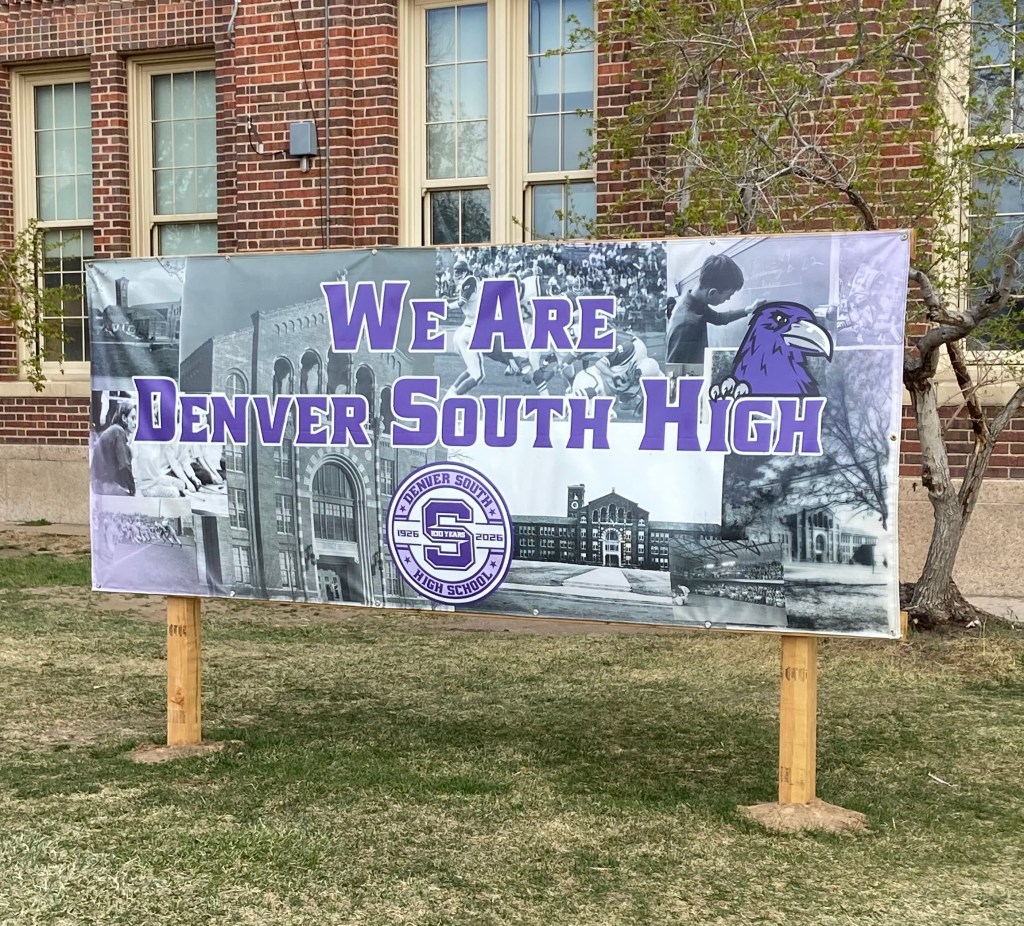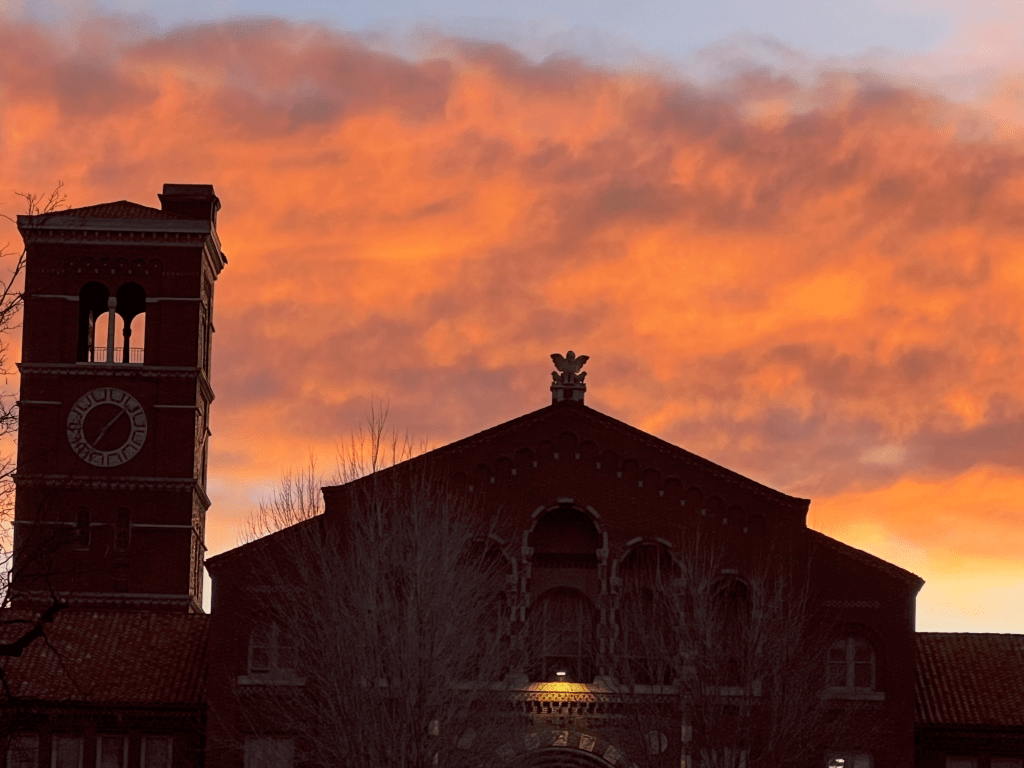
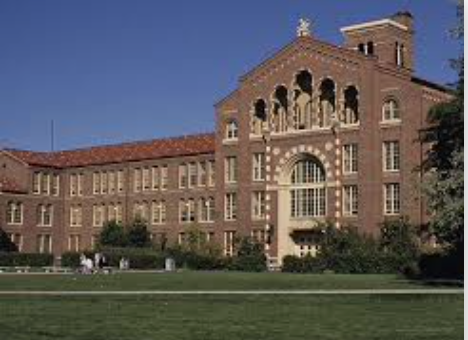
Please be sure to pencil in April 11th at 10:00-3:00 for South High School’s 100th Anniversary.
South High students, staff and alumni will all celebrate the legacy of a great school and community. Please check back for the schedule which is being planned by DPS and School Staff.
***1926–2026***

WELCOME
Welcome to the South High Alumni & Friends (SHAFI) Webpage
We’re glad you’re here! This page is your connection to South High’s alumni community—past, present, and future.
Through SHAFI, you can:
- Register for membership and pay online with ease
- Receive our newsletter by email
- Stay up to date on reunions, gatherings, and special events
We are especially excited as we look ahead to a major milestone—the 100th Anniversary of South High April 11, 2026! Watch for upcoming announcements and opportunities to be part of this historic celebration.
Together, we celebrate the friendships, memories, and traditions that make South High special. Thank you for being part of our alumni family—we look forward to seeing you at future events!
***1926–2026***
South High School … Yesterday and Today
In 2003, South High alumnus Bill Wiederspan, Class of 1968, stopped by the school to help with a computer problem in the Alumni Center. What was meant to be a quick favor soon grew into years of dedicated service to SHAFI and the South High community.
Through his work as Reunion Coordinator and his ongoing volunteer efforts, Bill has helped reconnect generations of South alumni and strengthen the bond between the school, its graduates, and the surrounding neighborhood. We are deeply grateful for his many years of support, his thoughtful reflections on South’s history, and the wonderful writing through which he shares these memories. Bill’s dedication to South High, its students, and its alumni community is a gift that continues to enrich us all.
Thoughts. . .
In 2003, I was a recently retired Denver Cop whose Mother, a 1945 graduate and alumni volunteer at South High, asked if I could drop by the alumni office to help in solving a computer problem. As I entered the main doors of the school, I was challenged by a school security worker, obviously a new concept from when I last entered the building as a student in 1968. I knew the way through senior hall (now called South Hall) and for the first time in my life, I made my way down the steep stairs to where the Rifle Range once operated and now serves as the Alumni Center.
The computer problem was a temporary fix, but I quickly recognized that this might be a ploy to recruit me into volunteering as an alumni worker. I seldom walk away from a challenge, so I spent several weeks working on that computer while at the same time using it’s data to prepare for my class’s 35th reunion. All our prior reunions had been held in off-campus venues, but being short of funds, we instead planned to hold an informal gathering right in Senior Hall. When the reunion arrived, I was surprised by the tremendous excitement from my classmates at how great it was to return to where they had spent three of their formative teenage years. The grand finale of the event was being allowed to climb our way up into the clock tower, again another first for myself and my peers.
I found my niche in serving as SHAFI’s Reunion Coordinator, a new position for the purpose of being a liaison between SHAFI’s elder volunteers from the 1930’s through the 1950’s and the younger “integration” classes beginning in the mid 1970’s. This was to begin a new era where the school administration, the alumni group, the graduating classes and the neighborhood community would work in common to become a larger testament of what South Denver had become.
As an alum the contemporary version of the school was extremely different from what I experienced as a student. While “my peers” were most likely to be second or third generation immigrants from Europe, today’s students are more often first-generation kids from all countries other than Europe. Still, during the lunch hour, students congregate in the same first floor hallways, the only difference is that they now communicate via a smart phone rather than face to face chats. In the old days, faculty members stood rigidly, wearing suits and ties or business attire, these days a polo shirt and khakis are the uniform of the day. Their interaction with the students is much less formal and more engaging than I remember. Back in my era, the assistant principal, ROTC instructors, industrial arts staff and gym teachers served as law enforcement. Today, a Denver Police Officer is always within the building as well as several security staff members. Surveillance cameras have taken the place of younger faculty members regretfully assigned to patrol the hallways and gathering areas during their non-instructional periods.
During my stint as the Reunion Coordinator, I had hundreds of conversations with members of my own class as well as many other classes. Quite often I heard declarations that their time at South was a nightmare that they don’t want to re-visit. From my interactions with some of these naysayers, I learned that 12th grade was more like a nightmare than a party. To put it simply, their time at South was too short to kindle new friendships or lasting relationships.
Not being an athlete, nor wanting to participate in drama, music, or student government. I merely wanted to get through the process of getting an education so I could move on to being an adult. Therefore, I was not surprised with what these people were saying. While I did not share that same experience, I have never forgotten the day prior to graduation when a girl, who I deeply loved proclaimed that she would immediately be running away from home to marry an older guy who really liked to have a good time.
I am not sure that people are aware that the Smithsonian Institute has eventually recognized one calendar year for having Shattered America. Yes, that was 1968. You might recall that CNN did a four-part documentary on the 50th anniversary of that unsettling time. Now as I look back at my youth while I can still crudely remember some sixty-year-old events, I realize that times might not have been as rosy as they seem today. Aging in the human body tends to place unpleasant memories in a dark corner of a person’s mind. I do however have one great memory branded into my failing brain. It is something that no other South student in the past fifty years has experienced and it can’t be taken away, ever. This would be the aroma of bread baking in the school cafeteria on a cold winter morning.
Bill Wiederspan, Class of ’68 and very long time volunteer for SHAFI
..and Memories.

Tim Welch–Class of ’89
While trying to think of favorite memories about my time at South High School in the mid to late 1980’s, I bounced back and forth between the relationships and bonds that my brother Joe (’88) and I (’89) made with our teachers and our coaches. We were very lucky to have such an amazing teaching staff which included student favorites like Mr. Meech for AP Chemistry, Mr. Wuth for AP Biology, Dr. Ton for AP European History, Mr.Westman for Geometry, Mr. Deal and Mr. Hedges for English, Ms. Woytek for French, and Mrs.Mendenhall and Mrs. Gilpatrick as our Librarians.
The talented Mrs. Salazar taught Journalism and was the sponsor for South’s award winning newspaper. The class was held in the 4th floor room facing west above the front doors having a gorgeous view of the mountains. There were lots and lots of bagel runs during the time-consuming newspaper layouts (done by hand measurements, pre-computer). All our teachers were so very caring to help us to succeed in high school and prepare us for college.
Dr. Ton created an amazing senior slide show every year that was such a neat way for students and families to remember our friends and experiences while at South. It was the highlight event for sure and he inspired me to create a 5th grade slideshow for the school I now teach at, Steele Elementary, which is shown at our continuation .
Athletics at South were as important to our learning as classes were. I learned important life skills including teamwork, patience, commitment, sacrifice, how to savor a win over a rival, as well as losing respectfully to a rival. The guys Joe and I played with in golf, soccer, wrestling, swimming, and lacrosse would end up being our forever best friends who we are lucky to stay in touch with to this day- often times meeting up at the Campus Lounge for Broncos/Avs/Nuggets/Pioneer games.
Our soccer coaches Bill Crosby (Manual HS) and Bill Kowalski (Knight Elementary) took us to win the city championship in the fall of 1986 and to the state tournament. Our captain, Tyler Crippen, went on to play at Northwestern University and is now a PE teacher at Southmoor Elementary here in Denver. Mr. Porter, our wrestling coach, loved utilizing running the tower stairs for conditioning (ugh!). Our lacrosse coaches, Brian Salazar and Tom Konkel, taught us more than how to play the Native American sport- they taught us how to be good humans and the importance of hard work and a good education. I won All-American honors my senior year and was awarded a scholarship to play lacrosse for The University of Denver (B.S.B.A. 1994 M.A. 2005). My brother Joe attended the Colorado School of Mines for both an Engineering undergraduate degree and a Finance masters degree.
My two sons are now Ravens, one is a senior (Brady ’26 will be attending Montana State in the fall) and the other a Sophomore (Trevor ’28). My brother’s children (Annie ’20 and Rowan ’23) both graduated from South and are School of Mines Orediggers- just like their father. My wife Marni and I love hearing all of the great happenings, the variety of classes offered, and the richly diverse population they’ve become friends with during their time at South. We are thrilled that Tom Konkel, yes the same Tom Konkel from coaching me when I was in high school, was again hired to coach South Lacrosse this year and now coaches our son Trevor.
The people we met and relationships we made are by far the most incredible memories I have for South. Happy 100th birthday South! We love you- go Ravens!
Tim Welch ’89
*****************************************************
SHAFI Business…
SHAFI Fiscal Year 2024 to 2025
Our membership year has come to a close and we are planning for our next year. It’s going to be a big year for South High School.. our 100th!!
Financial Summary
With 964 paid members, SHAFI continues to thrive thanks to the generosity and loyalty of our ALUMNI community.
From Oct ’24 through Sept ’25, we received $33,500 in both memberships and donations along with $1,005. in interest income. These funds allowed us to directly give back into South High supporting students and school programs. The largest portion, $22,000, supported the GIVING GROCERY, ensuring that students in need have a reliable access to food and basic essentials. We also contributed $5,640 to sports, activities and JROTC, $9,380 for our Alumni Newsletter. Our ongoing responsibility to Reunions, Clock, History Room and Office expenses fill the $3,000 of our budget.
As we look forward to our 25-26 fiscal year we remain focused on Student Support with an added $5,000 to our exciting 100th Anniversary Event in April of 2026.

******************************************************
Colorado Gives Day
Update-Oct 20, 2025
The SHAFI Executive Board once again voted to dedicate this year’s Colorado Gives Day donations (December 9, 2025) to the Giving Grocery, continuing our strong commitment to supporting South students in need. We’re thrilled to share that one of our generous alumni has contributed an incredible $5,000 gift AGAIN THIS YEAR—to be donated in full to the Giving Grocery. SHAFI will add to her gift with funds received through Colorado Gives Day and any additional directed donations received through our website or by mail.
Your $15 annual membership continues to support our newsletter, office expenses, and the operations that keep SHAFI running smoothly. We are deeply grateful for every contribution—each and every dollar is carefully accounted for and thoughtfully used to benefit the South High student/alumni community. 💜

A Note of Thanks from Our NASA Team
We are so proud of the incredible group of South High students who recently traveled to NASA (with SHAFI’s help) to present their project in the spring of ’25. Their hard work, creativity, and teamwork represented our school in the very best way.
The team asked us to share this special thank you note with all of you—our alumni and friends—who continue to support and encourage South High students as they reach for the stars.

Five South High School students—Oliver Coombe, Aurora Mick, Aiden Deutchman, Joshua Buzobozi, and Vivienne Pilch—recently traveled to NASA’s Johnson Space Center in Houston, Texas, to present their innovative lunar lander project after being selected as finalists in the 2025 NASA HUNCH (High School Students United with NASA to Create Hardware) program. As part of an Engineering Career and Technical Education (CTE) class at South High, the students designed a dual-component system: a payload deployment and release mechanism and a custom landing leg built to absorb impact and stabilize on uneven lunar surfaces. The project was developed in alignment with NASA’s Artemis mission, which aims to return humans to the Moon and establish sustainable lunar exploration.
Selected from a national pool of student teams, the group presented their prototype to NASA engineers and aerospace professionals, showcasing their technical knowledge, creativity, and teamwork. The opportunity gave them hands-on experience in real-world engineering and valuable insight into the aerospace industry. The students returned from Houston inspired by the experience and proud to have represented South and its CTE programs in shaping the future of space technology.
The team thanks their teachers, Matt Schwieterman and Jeff Buck for their support and encouragement throughout the project, and to the Denver South Alumni Association and PTSA for their financial support which allowed them to attend the final showcase in Houston.

Spotlight from the Past: A Teacher Remembered
We are pleased to share this very special article, written by one of our South High students in Hawaii, honoring an outstanding South High teacher. It is a delightful read and a wonderful reminder of the impact our teachers have had across generations. We hope you enjoy it.
His dedication to teaching went beyond the call of duty

Mr. Harold R. Keables taught English at ‘Iolani School from 1965 to 1980, after devoting 30 years to students in the Denver public school system. He was named Life magazine Teacher of the Year in 1960. Mr. Keables, who was born on Jan. 28, 1900, died in 1982 at age 82.
He touched students and faculty at ‘Iolani with his passion for learning and high standards for writing. Mr. Keables was dedicated to all of his students, not just the gifted or talented writers, but also the ones who initially struggled with words.
A true academician, Mr. Keables was famous for his meticulous correction of student writing. He introduced to ‘Iolani a method of using detailed codes to direct students to a grammar book.
In 1998, the ‘Iolani English Department introduced its own book, named The Keables Guide to Writing, which was tailored to the needs of its students.
‘Iolani School administrators and alumni contributed to the Spring 1984 edition of the ‘Iolani School Bulletin, which highlighted the newly established Harold Keables Chair of English. Steven Bonsey’s tribute to Mr. Keables is reprinted below.
IS THERE CHALK ON HIS BACK?
In Memoriam — Harold Keables
By Steven C. Bonsey ’74
By nine o’clock the morning traffic on Convention Drive was so still that the occasional sound of a passing car had a dreamlike quality. An old man in khaki and a straw hat set sprinklers here and there which tossed up white wings under the shower trees in syncopated pulses. Through the branches and over the low roof of the Business Office, the heights of the Koolaus shone bluer than the seablue sky. An alighting mynah paused to clear its throat, but was interrupted by an insistent question from Mr. Keables.
“What does this remind you of?”
Mr. Keables halted his pacing across the front of the room long enough to lift his hand, fingertips touching, from the depths of his right coat pocket, an ancient burial ground of broken chalk pieces. He held the hand outstretched before and above him, summoning the presence of some Olympian verity into the company of our assembled dullnesses. An infertile silence lengthened. The fingers then opened suddenly and trembled. The obvious answer hovered there just above our too-thick skulls.

“Think!” came with a stamp of the foot. Cerebral pressure increased to the point of minor physical pain. The hand held there a moment longer, then dropped dispirited as Mr. Keables returned to his pacing. He cast about for a different approach. Unfortunately, the question was exact.
“What does this remind you of?” He leaned against the chalkboard for support. The outline he had posted in the minutes before class now impressed itself into what had once been the nap of his coat.
Meanwhile, consciousness had be gun to dawn. My mind surveyed the landmarks of Western literature. Was it the tragic vision of Aeschylus? The modernity of Euripides? The classic perfection of Sophocles? Light dawned. I raised my hand.
“Yes,” he said, pointing to me and approaching expectantly. My inspiration delivered itself fullblown in all its radiant splendor, as Athena had sprung fullgrown from the severed brow of Zeus.
“No,” said Mr. Keables, his back returning to the chalkboard, his wrists descending once more into their distorted sanctuaries.
Yes, Harold Keables’ style was brutal. His A.P. English course did not resemble other English courses, and his pedagogy did not affirm the unformed intellect. With another teacher, the exchange might have been different.
“Who can tell me the name of the river on which Huck Finn spent his life? Johnny?”
“Uh, the Nile?”
“Thank you, Johnny, that’s very good. The Nile is indeed a river. Excellent. Does anyone else have any input?”
Keables was different. Keables had standards, and they were never relaxed. Whether they were fair or not seems almost an impertinent question. They were his, period. Or rather, they were him. (G7d6: They were he.) They seemed to hold him upright almost physically long after his body should have been relieved of active duty on the classroom front.
Sometimes his standards seemed unfathomable. Answering a Keables question correctly (that is, to his satisfaction) often required as much clairvoyance as knowledge or insight or imagination. Never, however, was there a question that the standards might be capricious or arbitrarily applied. Keables was the same yesterday and today, until the end of his tomorrows.
It was this that gave his judgments an air of the absolute. The competition for good marks on any given assignment embraced not only the twenty-odd students then enrolled in the class, but the scores of twenty-odd over the decades of his teaching. He would read outstanding examples of our writing out loud to the class. Here is a fine essay on Keats’ “Ode on a Grecian Urn,” he would say in introduction, and the lucky one among us would swell a bit with pride. Yes, a fine essay, he would say in conclusion, though not as fine as this one’s in ‘67, or as eloquent as that one’s in ‘54, or as . . . The swelling would subside a bit.
Sometimes his standards seemed a bit too objective. Over the years he had succeeded in reducing the received grammar and usage of the English language to a neatly organized code of letters and numbers, as perhaps, “G4b3: Do not begin a sentence with a conjunction.” But the problem came, especially in his creative writing classes, when his system seemed to codify matters of taste or style in a way that stifled what we felt to be creativity. “B4u2: Do not use slang.” What kind rule that? Not that Keables was inflexible. On the contrary, he could well appreciate the creative stretching of literary convention if given sufficient artistic justification, but there was the rub: he would be the judge of that sufficiency. Keables was the Inspector 12 of the English language.

Standards alone, however, do not constitute the kind of excellence in teaching of which Keables’ was the paradigm. Keables brought to the exercise of these standards an energy and a dedication that were awesome to behold. Who could forget the sight of Keables at a basketball game, open folder in lap, red pen in hand, eyes scrutinizing a referee’s call, voice raised in staunch encouragement? How he managed to correct the weekly deluge of papers as promptly, minutely and attentively as he consistently did, while at the same time remaining an unwaivering supporter of the school’s extracurricular life, defies comprehension. And if to this be added a recognition of the gentle and constant care he tendered his wife during Mrs. Keables’ long convalescence, we have a picture of a truly extraordinary human being.
When I say, as I do now firmly and forthrightly, that of all the teachers I have had in grade school, high school and beyond, Mr. Keables lives in me now as no other, I know that I do not speak alone, but that scores of twenty-odd voices join my own. And to say that Mr. Keables taught me to write, to think, and to hold high standards dear, does not begin to exhaust my debt to him. Above all these things, an incomparable gift he gave me. By his attention, by his care, by his devotion, by his codgery, nitpicking, maddening, fussbudgetty love he gave me dignity; he gave me myself. For this I love him. For this he lives and remains the same Mr. Keables—yesterday, today and tomorrow.
You are invited. . .
… to write for our page. Please submit your ideas. (non-political and kind-spirited preferred). We find our alumni interesting and talented.